Navigating Legalities: What US Startups in the Beauty and Cosmetics Industry Need to Know
Category : Skincare Routines |
Sub Category : Posted on 2024-10-05 22:25:23
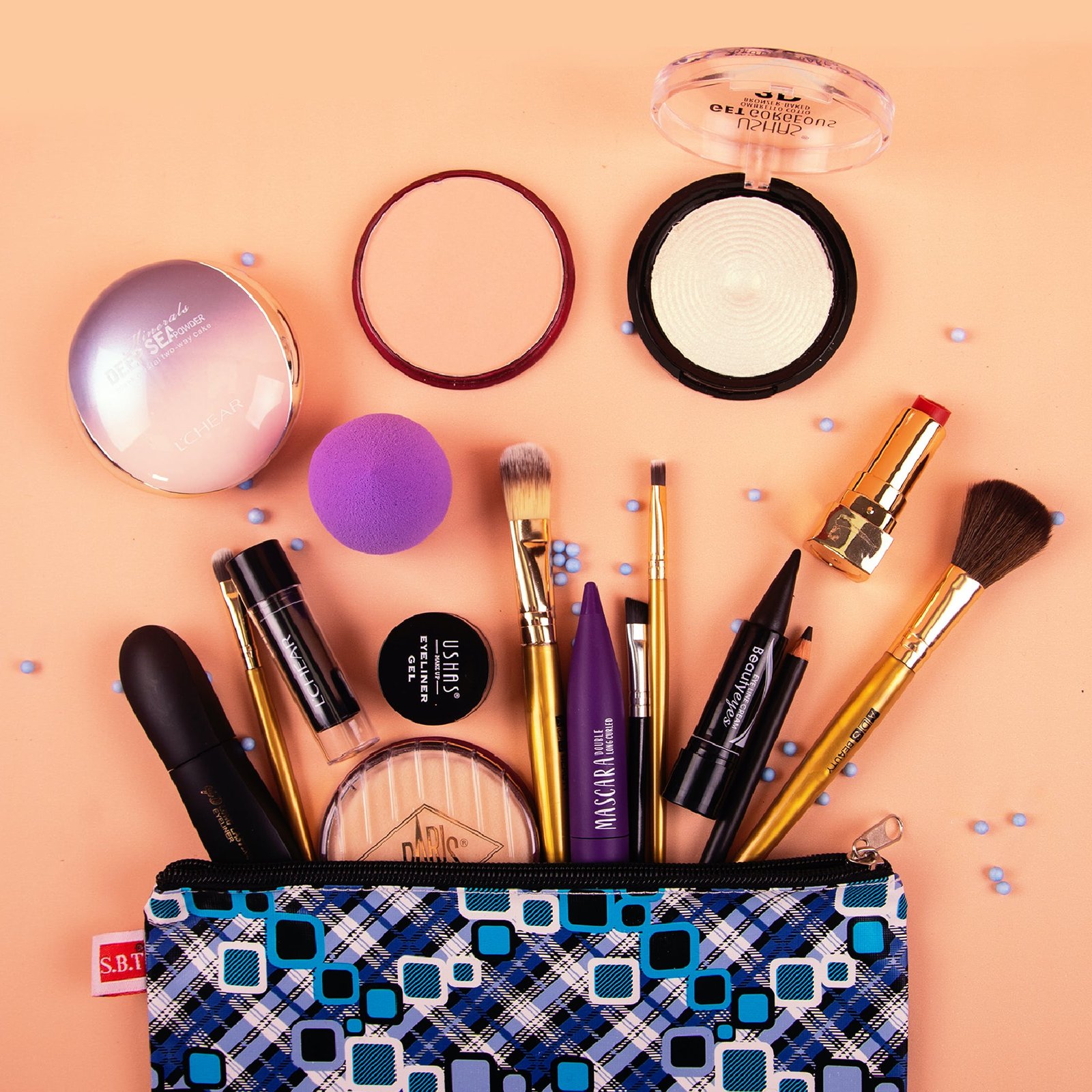
In recent years, the beauty and cosmetics industry has witnessed a surge in Startups looking to disrupt the market with innovative products and services. While the sector offers vast opportunities for growth and success, navigating the complex web of laws and regulations in the United States can be a daunting task for aspiring entrepreneurs. In this blog post, we will explore key legal considerations that US startups in the beauty and cosmetics industry need to be aware of. Product Safety and Labeling Requirements One of the primary concerns for beauty and cosmetics startups is ensuring the safety and efficacy of their products. In the US, the Food and Drug Administration (FDA) regulates cosmetics and mandates strict guidelines for product safety and labeling. Startups must comply with ingredient restrictions, labeling requirements, and good manufacturing practices to avoid legal repercussions and protect consumer health. Intellectual Property Protection In the competitive beauty and cosmetics market, protecting intellectual property is crucial for startups to safeguard their innovations and brand identity. Entrepreneurs should consider trademarking brand names, logos, and product formulations to prevent infringement and maintain a unique market presence. Additionally, securing patents for proprietary technologies can offer startups a competitive edge and bolster their market position. Advertising and Marketing Compliance Effective marketing is essential for startups to drive brand awareness and attract customers. However, US regulations, such as the Federal Trade Commission (FTC) Act, impose strict rules on advertising claims, endorsements, and product representations. It is vital for beauty and cosmetics startups to ensure that their marketing practices are transparent, truthful, and compliant with applicable laws to avoid regulatory penalties and maintain consumer trust. Environmental Sustainability and Ethical Sourcing In response to growing concerns over environmental sustainability and ethical sourcing practices, consumers are increasingly demanding transparency from beauty and cosmetics brands. Startups should prioritize sustainable sourcing, eco-friendly packaging, and cruelty-free testing to align with consumer values and differentiate themselves in the market. Adhering to ethical standards not only benefits the environment and communities but also enhances brand reputation and customer loyalty. Corporate Governance and Compliance Establishing robust corporate governance structures is essential for startups to maintain legal compliance and operational efficiency. Entrepreneurs should pay attention to entity formation, shareholder agreements, taxation, and compliance with industry-specific laws to mitigate risks and foster long-term growth. Seeking legal counsel and staying informed about regulatory updates can help startups navigate the complex legal landscape and ensure sustainable business practices. In conclusion, US startups in the beauty and cosmetics industry must proactively address legal considerations to thrive in a competitive and regulated market. By prioritizing product safety, intellectual property protection, marketing compliance, sustainability, and corporate governance, entrepreneurs can build a strong foundation for success and establish themselves as innovative leaders in the industry. Staying informed, seeking legal guidance, and embracing ethical business practices are key pillars for startups to navigate legalities and unlock opportunities for growth in the dynamic beauty and cosmetics market.
https://continuar.org
https://vollmacht.org


