Scam Cultures in the Beauty and Cosmetics Industry
Category : Skincare Routines |
Sub Category : Posted on 2024-10-05 22:25:23
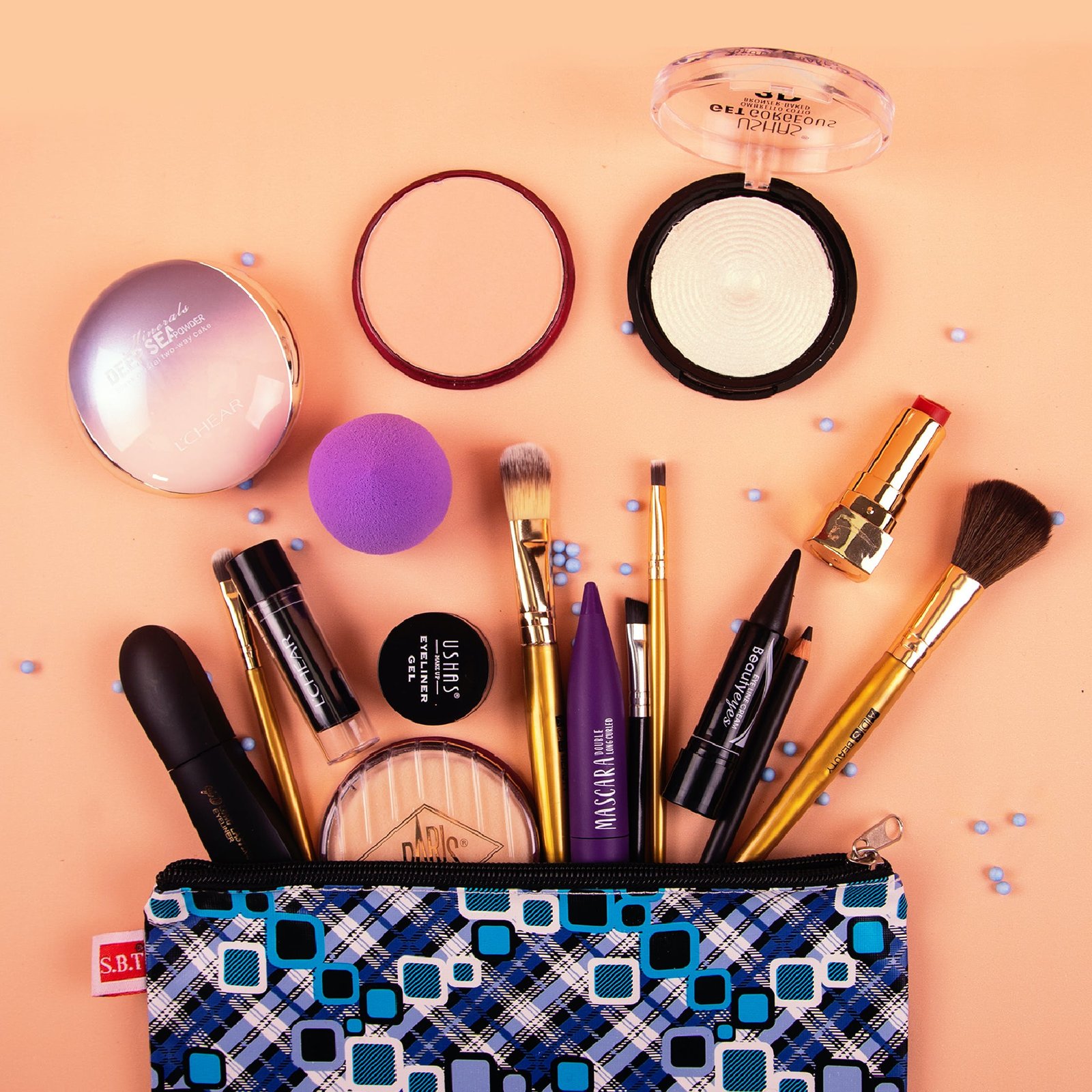
The beauty and cosmetics industry is a multi-billion dollar global market that is constantly evolving with new trends, products, and techniques. With the rise of social media influencers and beauty gurus, consumers often find themselves inundated with a plethora of products promising transformative results. While the majority of beauty and cosmetics brands operate ethically, there are instances where scam cultures have infiltrated the industry, preying on unsuspecting customers. One of the common tactics used by scam cultures in the beauty and cosmetics industry is the promotion of miracle products that promise unrealistic results. These products often claim to provide instant solutions to common beauty concerns such as acne, wrinkles, or dark spots. In reality, these products may contain harmful ingredients or have no scientific backing to support their claims. Consumers who fall for these scams not only waste their money but also risk damaging their skin in the process. Another prevalent scam in the beauty industry is the rise of counterfeit products. With the popularity of luxury beauty brands, counterfeiters have capitalized on creating fake versions of popular products to dupe consumers into purchasing them at a fraction of the price. These counterfeit products not only pose a risk to consumers' health due to unknown ingredients but also hurt the reputation of the authentic brands they imitate. Furthermore, scam cultures in the beauty industry also extend to misleading marketing practices. Some brands use deceptive advertising techniques to mislead consumers about the benefits of their products. This can include photoshopped before-and-after images, exaggerated claims, or celebrity endorsements that may not be genuine. Such practices erode the trust between brands and consumers, making it harder for individuals to make informed purchasing decisions. To protect themselves from falling victim to scam cultures in the beauty and cosmetics industry, consumers should practice due diligence before making a purchase. Researching products, reading reviews from trusted sources, and verifying the authenticity of the brand can help individuals avoid scams. Additionally, being wary of products that promise unrealistic results or are priced significantly lower than the market average can also be red flags for potential scams. In conclusion, while the beauty and cosmetics industry offers a wide array of products to enhance one's appearance and self-confidence, consumers must remain vigilant against scam cultures that seek to exploit their trust. By staying informed and educated about the products they purchase, individuals can navigate the beauty industry with confidence and minimize the risk of falling victim to scams. To get all the details, go through https://www.culturelle.org


