Scam Conflicts in History: Beauty and Cosmetic Products
Category : Skincare Routines |
Sub Category : Posted on 2024-10-05 22:25:23
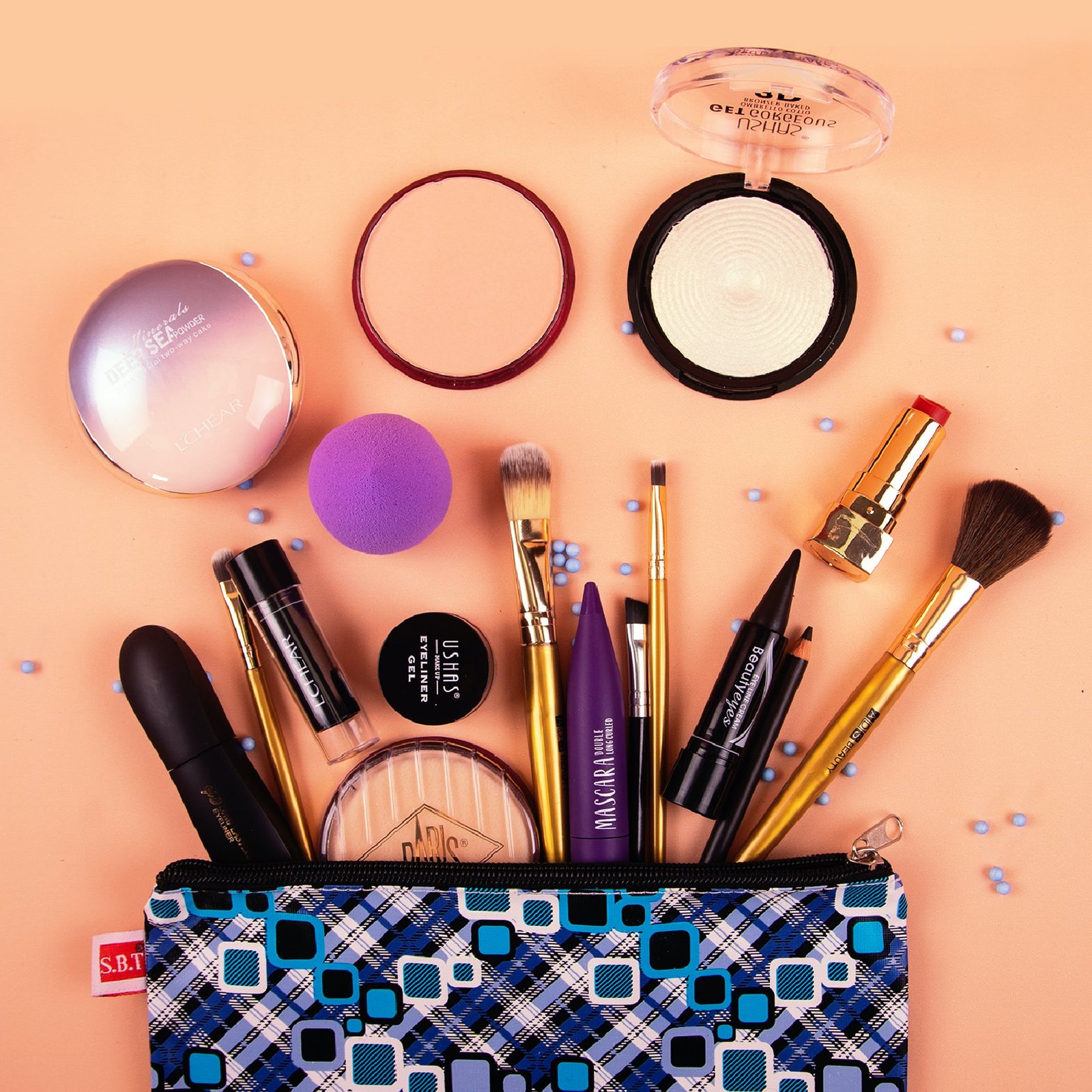
Throughout history, the beauty and cosmetics industry has seen its fair share of scandals and conflicts involving scams that have left consumers feeling betrayed and misled. From ancient times to the modern era, deceptive practices in the beauty world have caused uproar and raised concerns about product safety and ethical standards. One notable historical example of a beauty scam dates back to the ancient Roman Empire, where women used lead-based cosmetics to achieve a pale complexion. Despite being aware of the toxic nature of lead, many Roman women continued to use these products, leading to serious health issues and even death in some cases. The desire for beauty at any cost resulted in a conflict between societal beauty standards and personal well-being. In more recent history, the beauty industry has been plagued by scandals involving false advertising, misleading claims, and harmful ingredients in products. One infamous case is that of the 1930s Lash Lure mascara, which contained a toxic chemical that caused blindness in some users. The mascara was marketed as safe and effective, leading to a conflict between consumer trust and corporate responsibility. In the modern era, social media influencers and online beauty brands have faced criticism for promoting products that are overhyped or ineffective. The rise of influencer marketing has blurred the lines between genuine recommendations and paid endorsements, creating conflicts of interest and raising questions about transparency and authenticity in the industry. Consumers today are more informed and empowered than ever before, thanks to increased access to information and the ability to share experiences online. As a result, beauty brands are under pressure to be more transparent, ethical, and accountable for their products and marketing practices. Ultimately, the history of scam conflicts in the beauty industry serves as a cautionary tale about the importance of consumer awareness, ethical standards, and regulatory oversight. By staying informed and questioning marketing claims, consumers can protect themselves from falling victim to beauty scams and ensure that the products they use are safe and trustworthy.


