Cultural Diplomacy Through Beauty and Cosmetic Products
Category : Skincare Routines |
Sub Category : Posted on 2024-10-05 22:25:23
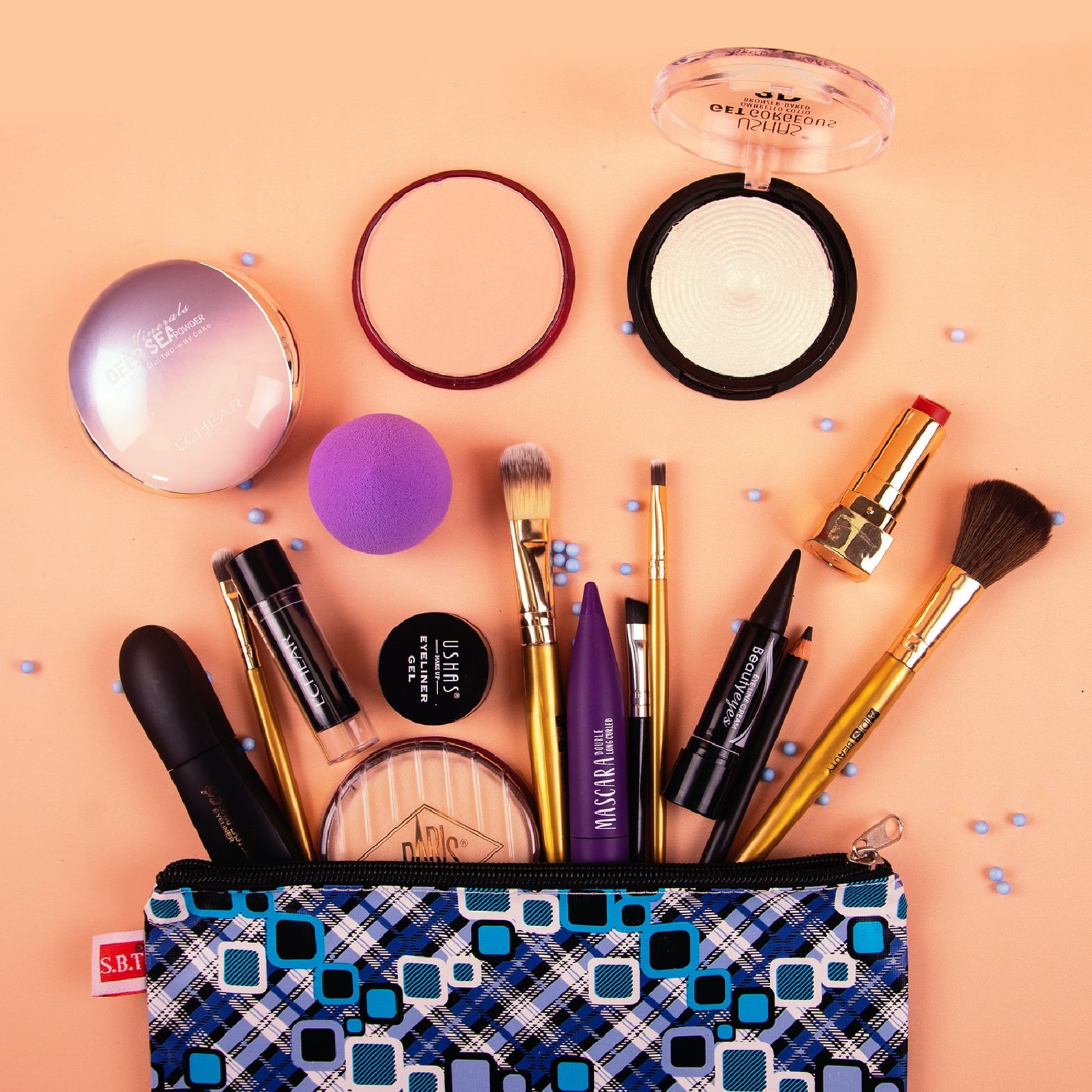
In today's globalized world, the beauty and cosmetics industry serves as a powerful tool for cultural diplomacy. Cultural diplomacy involves promoting a country's culture, values, and ideals through various means, including art, music, food, and now, beauty products. These products not only beautify individuals but also serve as cultural ambassadors, showcasing a nation's unique traditions, ingredients, and beauty standards to the world. Beauty and cosmetic products often incorporate ingredients and practices that are deeply rooted in a specific culture. For example, traditional Chinese medicine-inspired skincare products highlight the use of herbs like ginseng and green tea, which have been valued in Chinese culture for their health and beauty benefits for centuries. Similarly, ingredients such as argan oil from Morocco or shea butter from West Africa are not only effective skincare ingredients but also represent the cultural heritage of their respective regions. By using these culturally significant ingredients and practices in their products, beauty brands can introduce consumers to new cultural experiences and traditions. This not only increases awareness and appreciation for different cultures but also fosters cross-cultural understanding and dialogue. In a way, using beauty and cosmetic products becomes a form of soft power that can help bridge cultural divides and promote unity in diversity. Furthermore, the marketing and packaging of beauty products often draw inspiration from cultural motifs, symbols, and aesthetics. Brands may collaborate with local artists or incorporate traditional patterns and designs into their packaging, creating a visual representation of a particular culture. This not only adds a unique storytelling element to the product but also helps consumers connect with the culture it represents on a deeper level. In addition to promoting cultural exchange and understanding, beauty and cosmetic products can also contribute to economic empowerment and sustainability in various communities around the world. For example, the rise of fair trade practices in the beauty industry has led to partnerships with local producers in developing countries, providing them with fair wages and access to global markets. By supporting these initiatives, consumers can feel good knowing that their beauty purchases are making a positive impact on the lives of others. In conclusion, beauty and cosmetic products have the potential to be more than just skincare or makeup items – they can be powerful tools for cultural diplomacy. Through the use of culturally significant ingredients, traditional practices, and thoughtful marketing, beauty brands can showcase the beauty of diversity and build bridges between communities. So, the next time you reach for a beauty product, take a moment to appreciate the cultural story behind it and the role it plays in promoting global harmony and understanding.


