**Unlocking the Power of Cultural Influences in Beauty and Cosmetics Product Branding and Marketing**
Category : Skincare Routines |
Sub Category : Posted on 2024-10-05 22:25:23
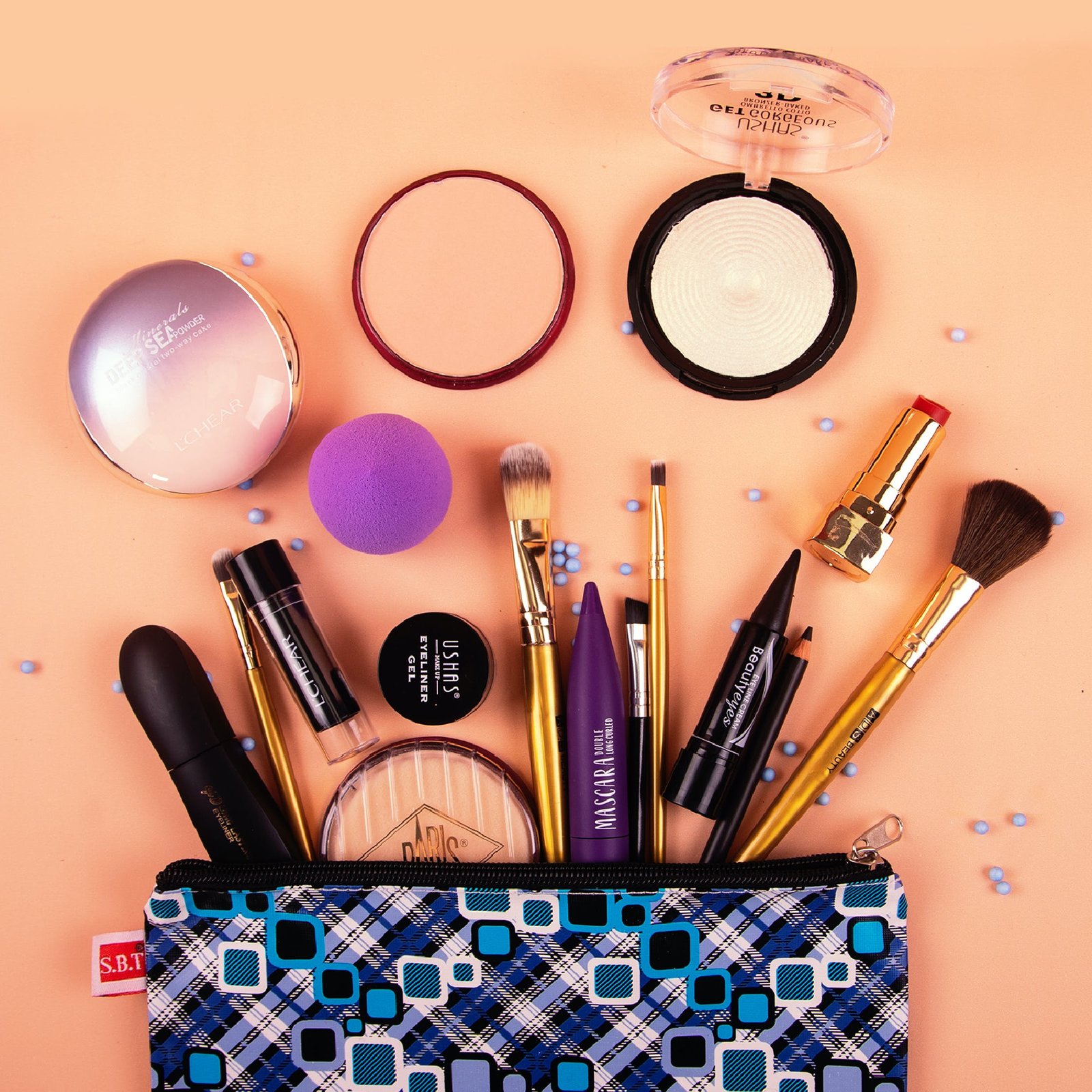
In today's diverse and multicultural world, beauty and cosmetics companies are recognizing the importance of embracing different cultural influences in their branding and marketing strategies. By tapping into the unique traditions, beliefs, and practices of various cultures, brands can create products that resonate with a broader audience and stand out in a crowded marketplace. One of the key aspects of incorporating cultural influences into beauty and cosmetics branding is understanding the significance of certain ingredients, rituals, and beauty standards in different cultures. For example, Korean beauty brands have gained global popularity by promoting the use of innovative ingredients like snail mucin and incorporating traditional skincare practices such as the famous "10-step skincare routine." By highlighting these unique aspects of Korean beauty culture, these brands have successfully attracted a loyal following of consumers who are looking for effective and authentic products. Similarly, Ayurveda-inspired beauty brands have leveraged the ancient Indian practice of holistic healing to create natural and sustainable skincare products that appeal to conscious consumers seeking a deeper connection to tradition and wellness. By emphasizing the benefits of botanical extracts and essential oils traditionally used in Ayurvedic medicine, these brands have established themselves as leaders in the clean beauty movement. In addition to product formulation, cultural influences can also play a significant role in the branding and marketing strategies of beauty and cosmetics companies. By featuring diverse models and ambassadors representing a wide range of ethnicities, skin tones, and body types, brands can showcase inclusivity and celebrate the beauty of all cultures. This approach not only resonates with consumers who want to see themselves represented in advertising but also helps to challenge outdated beauty standards and promote diversity in the industry. Furthermore, collaborations with influencers, makeup artists, and celebrities from different cultural backgrounds can also help beauty and cosmetics brands reach new audiences and create buzz around their products. By partnering with individuals who have a strong connection to their cultural heritage and a loyal following within their community, brands can tap into niche markets and engage with consumers on a more personal level. In conclusion, the beauty and cosmetics industry has a unique opportunity to harness the power of cultural influences in branding and marketing to create products that are not only effective but also culturally relevant and inclusive. By embracing the rich tapestry of traditions, rituals, and beauty ideals from around the world, brands can connect with consumers on a deeper level and foster a sense of unity and appreciation for diversity in beauty.


