Conflicts in History: The Beauty and Cosmetics Products Supply Chain
Category : Skincare Routines |
Sub Category : Posted on 2024-10-05 22:25:23
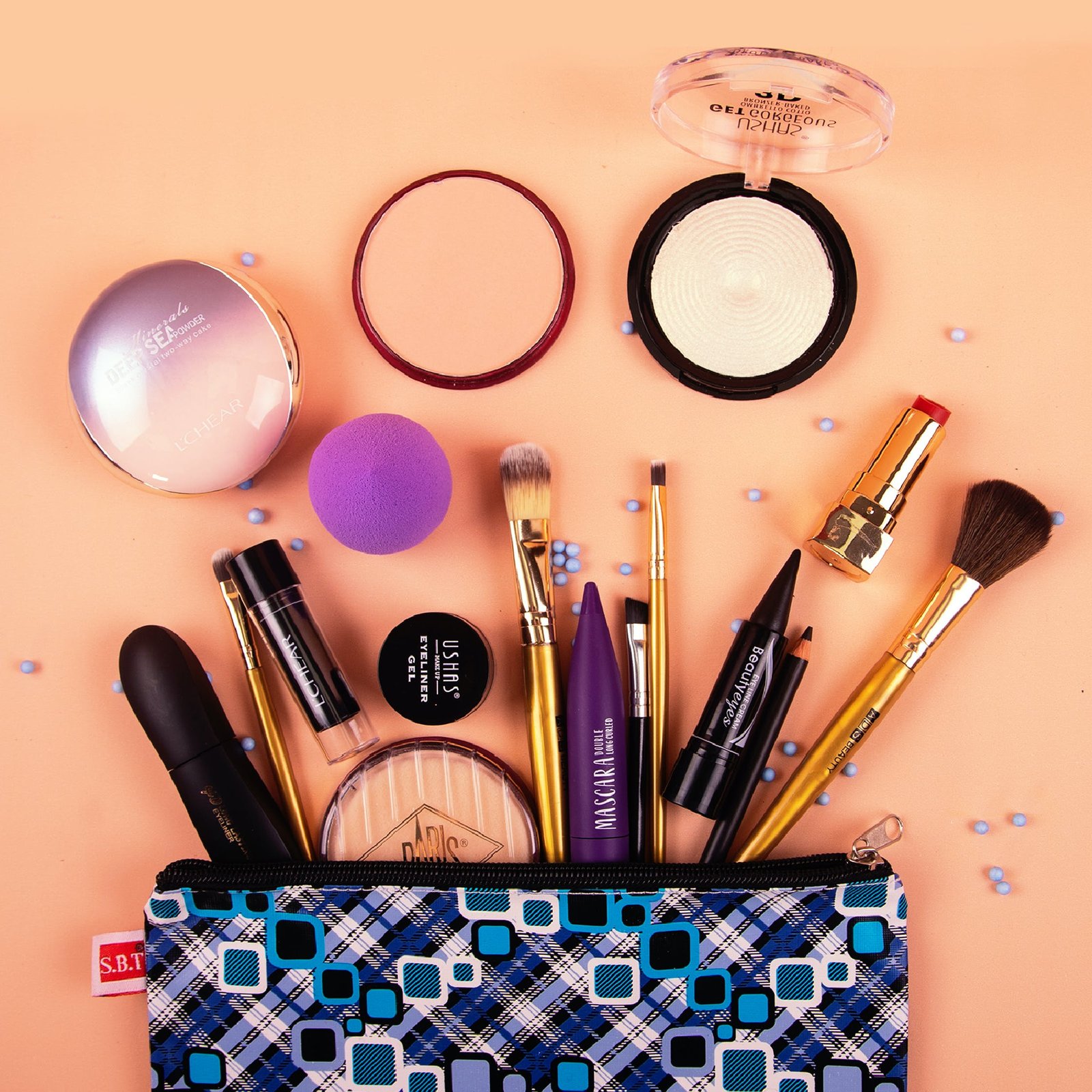
The beauty and cosmetics industry is a multi-billion dollar global market that has been thriving for centuries. From ancient times to the modern era, people have been using various beauty products to enhance their appearance and express themselves. However, behind the glamorous facade of the beauty and cosmetics industry lies a complex supply chain that has not been immune to conflicts throughout history. Conflict over Resources One of the main areas of conflict in the beauty and cosmetics supply chain revolves around the sourcing of raw materials. Many beauty products, such as perfumes, skincare ingredients, and pigments, rely on natural resources that are often found in regions plagued by conflict or environmental issues. For example, the demand for sandalwood, a commonly used fragrance ingredient, has led to illegal deforestation and conflicts over its sourcing in regions like India and Australia. Labor Exploitation Another dark side of the beauty and cosmetics supply chain is the prevalence of labor exploitation, especially in developing countries where regulations may be lax. Workers in the beauty industry, particularly those involved in ingredient sourcing and manufacturing, are often subjected to long hours, low wages, and unsafe working conditions. In some cases, forced labor and child labor have been reported in the production of beauty products, highlighting the need for greater transparency and ethical sourcing practices. Ethical and Environmental Concerns In recent years, there has been a growing awareness and concern over the ethical and environmental implications of the beauty and cosmetics industry. Consumers are increasingly demanding products that are cruelty-free, environmentally sustainable, and ethically sourced. This has put pressure on beauty companies to reform their supply chains and adopt more responsible practices to meet the evolving expectations of consumers. Supply Chain Transparency As the beauty and cosmetics industry continues to evolve, there is a growing focus on supply chain transparency and traceability. Consumers want to know where their products come from, how they are made, and whether they align with their values and beliefs. Beauty companies that prioritize transparency in their supply chains not only build trust with consumers but also drive positive change throughout the industry by setting higher standards for ethical sourcing and manufacturing practices. Final Thoughts Conflicts in the beauty and cosmetics supply chain are not a new phenomenon, but they serve as a reminder of the complex and interconnected nature of the global beauty industry. By addressing issues such as resource sourcing, labor exploitation, ethical concerns, and supply chain transparency, beauty companies can not only mitigate conflicts but also contribute to a more sustainable and responsible industry that benefits both people and the planet.


